Get Electrical Panel Replacement
Electrical panel replacement services involve local contractors upgrading or replacing outdated, damaged, or insufficient electrical panels to improve safety and meet modern power needs.
Electrical panel replacement is an important upgrade for property owners seeking to enhance the safety and reliability of their electrical systems. Whether experiencing frequent circuit breaker trips, planning a home renovation, or preparing for increased electrical demands, exploring options for panel replacement can help ensure your property remains functional and up to code. Local contractors specializing in electrical services can provide the expertise needed to evaluate your current setup and recommend the most suitable solutions for your specific needs.
For those considering an electrical panel upgrade, comparing local service providers can offer valuable insights into available options and approaches. Property owners often turn to experienced electricians to ensure the work is performed correctly and efficiently. Continuing to read can help you understand the practical reasons for a panel replacement and assist in connecting with qualified professionals in your area who can handle the project.
- Electrical Panel Replacement - needed when an existing electrical panel is outdated or no longer meets the power demands of a property.
- Upgrading Electrical Panels - required to support new appliances or home additions that exceed current electrical capacity.
- Faulty Electrical Panel Repair - essential when frequent breaker trips or electrical issues indicate a failing panel.
- Panel Reconfiguration Services - necessary for homes undergoing renovations that require a reorganization of electrical distribution.
- Main Panel Replacement - advised when a main service panel shows signs of damage or corrosion that compromise electrical safety.
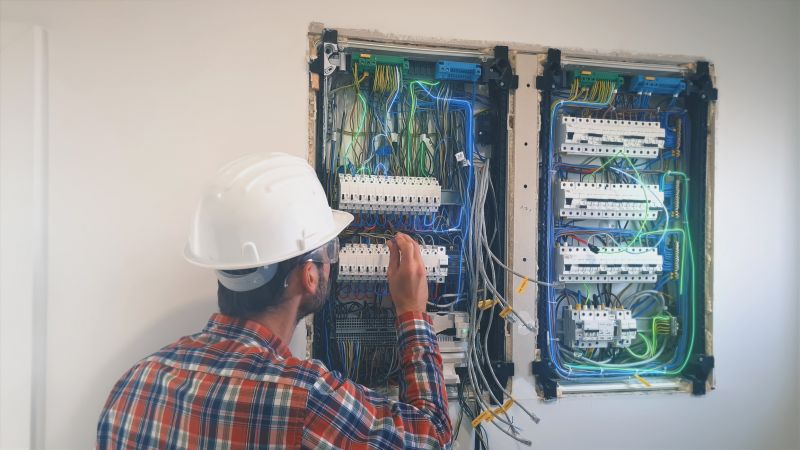
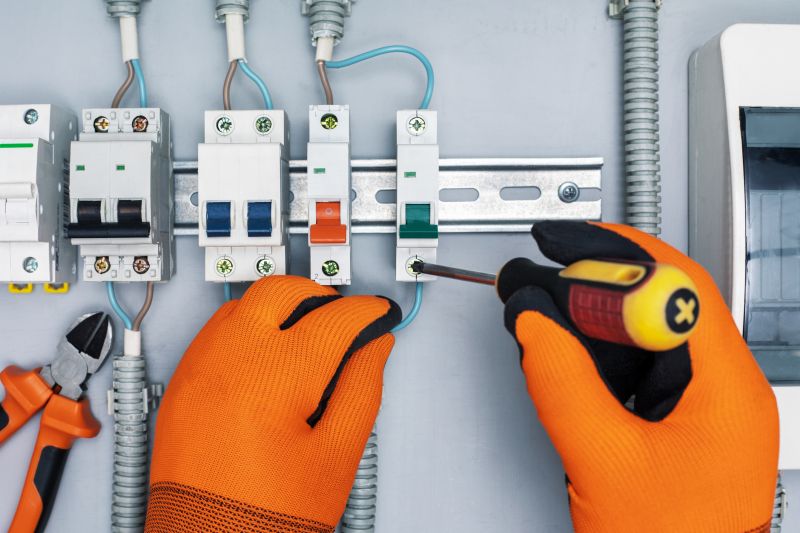
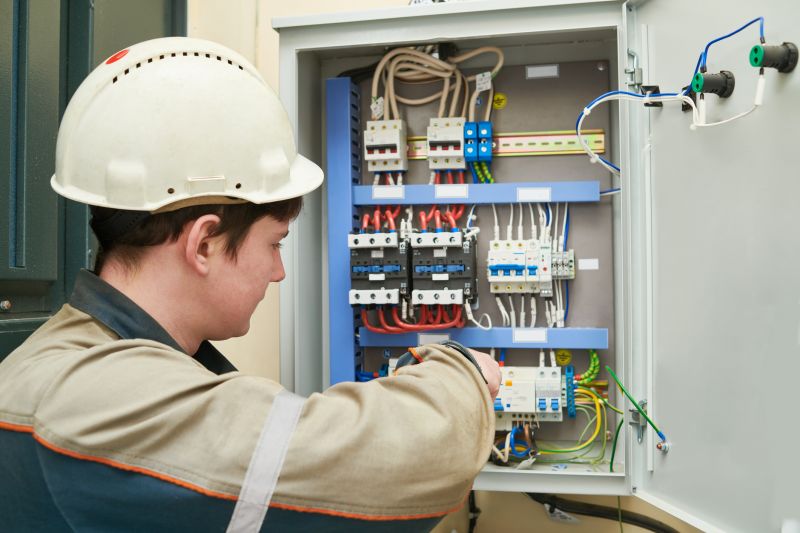
Electrical panel replacement services involve removing an outdated or malfunctioning electrical panel and installing a new unit that meets the current electrical needs of a property. This process typically includes disconnecting the existing panel, ensuring all wiring is properly managed, and securely installing the new panel to provide a reliable power distribution point for the entire property. The goal is to ensure the electrical system operates safely and efficiently, reducing the risk of electrical issues or hazards caused by aging or damaged panels.
Many common problems signal the need for an electrical panel replacement. These include frequent circuit breaker trips, flickering or dimming lights, burning smells near the electrical panel, or the presence of rust and corrosion on the panel itself. Older panels may not be able to handle increased power demands from modern appliances and electronics, leading to overloads and potential fire risks. Upgrading the panel can help resolve these issues, providing a safer and more dependable electrical system that accommodates the property's current and future power needs.
Electrical panel replacement is often necessary in various types of properties, including older homes, commercial buildings, and multi-family residences. Homes that have not been updated in decades are more likely to require a panel upgrade to meet current safety standards and electrical loads. Commercial properties with high energy demands or those experiencing frequent electrical problems may also benefit from a panel replacement. Whether for a single-family house or a larger property, local service providers can assess the specific needs and recommend the appropriate solution to ensure the electrical system is safe and capable of supporting everyday activities.
Homeowners typically consider electrical panel replacement when experiencing persistent electrical issues or planning renovations that increase power requirements. Signs such as frequent breaker trips, appliances that won’t operate properly, or visible damage to the existing panel indicate it may be time for an upgrade. A professional assessment by local contractors can determine if a panel replacement is the best course of action. Contacting experienced service providers can help ensure the electrical system is upgraded safely, providing peace of mind and reliable power for years to come.
The overview below groups typical Electrical Panel Replacement projects into broad ranges so you can see how smaller, mid-sized, and larger jobs often compare in your area.
In many markets, a large share of routine jobs stays in the lower and middle ranges, while only a smaller percentage of projects moves into the highest bands when the work is more complex or site conditions are harder than average.
Smaller Repairs - For minor electrical panel repairs or upgrades, local contractors typically charge between $250 and $600. Many routine jobs fall within this range, depending on the specific work needed and parts required.
Standard Replacement - Replacing an existing electrical panel with a new unit usually costs between $1,000 and $2,500. This range covers most typical residential projects and is where many homeowners' jobs are completed.
Larger or Complex Projects - Larger, more complex electrical panel replacements, such as upgrading for high power needs, can range from $3,000 to $5,000 or more. Fewer projects fall into this high-tier, often involving additional wiring or system upgrades.
Additional Costs - Extra expenses may include permits, labor, or additional wiring, which can add several hundred dollars to the overall cost. Local service providers can provide estimates tailored to specific project requirements.
Actual totals will depend on details like access to the work area, the scope of the project, and the materials selected, so use these as general starting points rather than exact figures.
Breaker Panel Upgrades - local contractors can handle upgrading or replacing breaker panels to meet current electrical codes and improve safety.
Main Electrical Service Replacements - service providers can replace or upgrade main electrical services to support increased power needs or modern appliances.
Electrical Wiring Installations - similar skills are used in installing new wiring systems for additions, renovations, or new construction projects.
Circuit Breaker Replacement - professionals can replace or upgrade individual circuit breakers to enhance electrical system reliability.
Electrical System Inspections - local pros can evaluate electrical panels and systems to identify issues and recommend necessary replacements or upgrades.
Subpanel Installations - installing subpanels for additional circuits involves planning and skills comparable to main panel replacements.
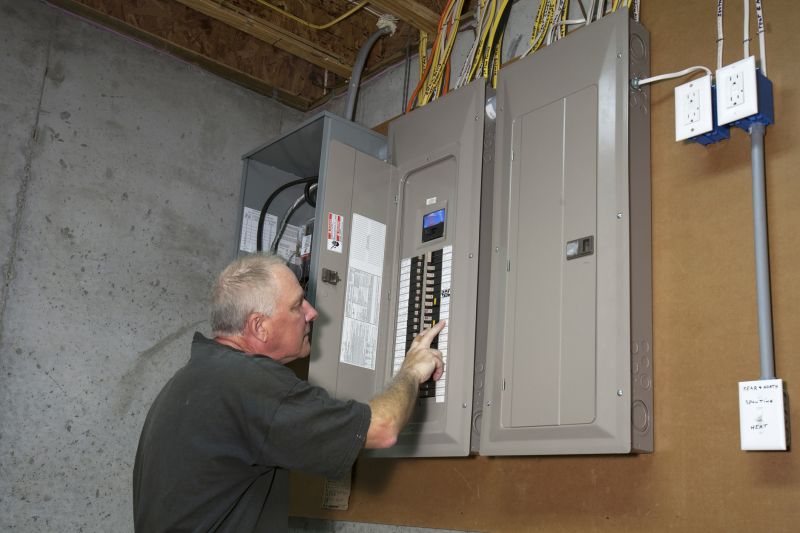
When comparing local contractors for electrical panel replacement, it’s important to consider their experience with similar projects. Homeowners should look for service providers who have a proven track record in handling electrical panel upgrades comparable in scope and complexity. An experienced professional is more likely to understand the nuances of different electrical systems, ensuring the work is performed safely and efficiently. Reviewing the types of projects a contractor has completed can provide insight into their familiarity with local codes and the specific requirements of electrical upgrades in the area.
Clear written expectations are essential for a smooth project process. Homeowners should seek service providers who can provide detailed descriptions of the scope of work, materials to be used, and the steps involved in the replacement. Having this information in writing helps prevent misunderstandings and ensures that both parties are aligned on the project’s goals. It’s also helpful to ask how the contractor plans to handle potential issues that may arise during the work, so expectations remain transparent from start to finish.
Reputable references and good communication are key factors when evaluating local contractors for electrical panel replacement. Homeowners can ask service providers for references from previous clients who had similar work done. Contacting these references can offer valuable insights into the contractor’s professionalism, reliability, and quality of work. Additionally, choosing a provider who maintains open, timely, and clear communication can make the entire process more manageable. This ensures questions are answered promptly and concerns are addressed throughout the project, fostering a positive working relationship.
Property owners use Electrical Panel Replacement services for practical projects around their homes and businesses. This guide focuses on everyday jobs and straightforward project options.
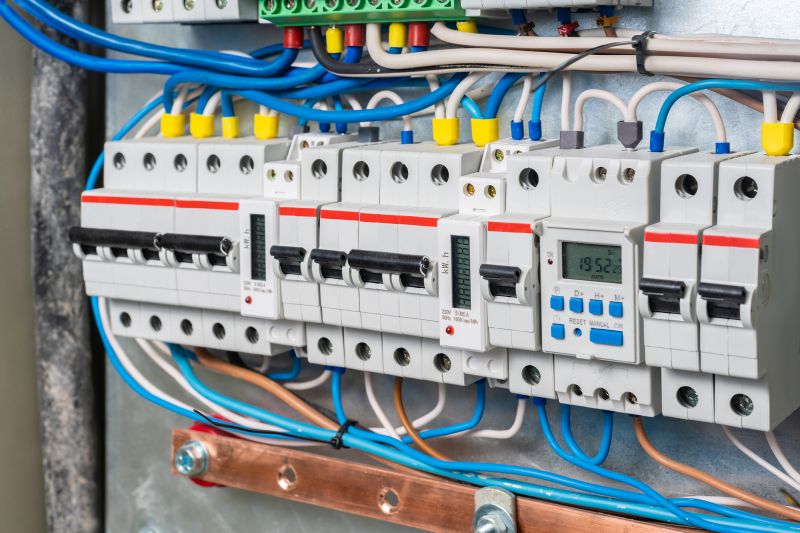
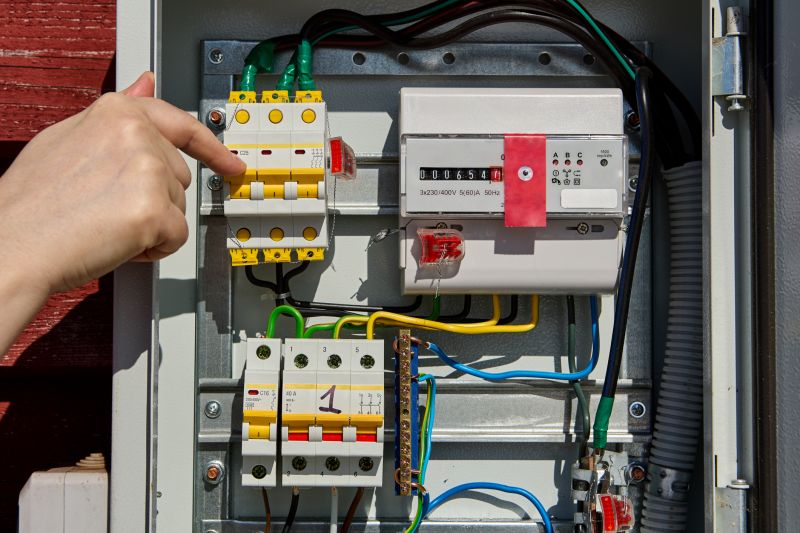
Electrical panel replacement is a common project for property owners experiencing frequent circuit breaker trips, outdated panels, or increased energy demands. Local contractors often handle these jobs when homes or commercial buildings need upgraded electrical systems to support new appliances, renovations, or safety improvements. Property owners may also seek panel replacements if their existing setup shows signs of wear, corrosion, or if they’re upgrading to a higher capacity panel to accommodate future electrical needs.
Many property owners look for electrical panel replacement services during major renovations or after experiencing electrical issues that could indicate a failing panel. Local service providers can assist with upgrading outdated panels to meet current standards, improving overall electrical reliability and safety. Whether for a residential property or a commercial space, connecting with experienced local contractors can help ensure the job is completed efficiently and properly.
When is electrical panel replacement necessary? Electrical panel replacement may be needed if the panel is outdated, shows signs of damage, or cannot handle the electrical demands of a home or business.
What are common signs that an electrical panel needs to be replaced? Signs include frequent circuit breaker trips, burning smells, buzzing noises, or visible rust and corrosion on the panel.
How do local contractors determine if a panel needs replacement? Contractors assess the panel’s age, condition, and capacity to determine if replacement is advisable based on safety and electrical needs.
Can replacing an electrical panel improve electrical safety? Yes, replacing an outdated or damaged panel can enhance safety by reducing the risk of electrical faults or fires.
What types of electrical panels can local service providers install? They can install various types, including main breaker panels, subpanels, and upgrade panels to meet current electrical standards.
Upgrade Electrical Panels for Safety - Replacing an outdated electrical panel can help ensure the safety of a home’s electrical system and prevent potential hazards.
Prepare for Home Renovations - Electrical panel replacement can support new wiring needs during remodeling projects or additions.
Improve Power Capacity - Upgrading the electrical panel allows property owners to add new appliances or equipment without overloading the system.
Address Frequent Breaker Trips - Replacing a faulty or undersized panel can reduce interruptions caused by circuit overloads or failures.
If you are thinking about Electrical Panel Replacement for a property, this guide is meant to help you understand the work, the typical project types, and how different options might fit your plans.
When you are ready, you can use the quote form on this page to share a few details about your project. From there, local pros can review the basics and respond with options that match what you have in mind.